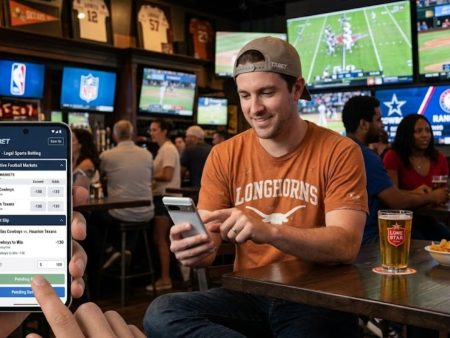

Texas is the second-largest state in the country. It has professional teams in every major sport. It has some of the most passionate sports fans in America. And it still does not have legal sports betting.
If you are a Texas bettor, this is beyond frustrating. But there are new developments happening right now that could change the picture. Or at least shake things up. Let me walk you through where things stand in May 2026.
Governor Abbott Slams the Door
The biggest headline for Texas gambling right now is Governor Greg Abbott’s stance. According to OddsShark’s industry news coverage, Abbott has essentially shut the door on gambling expansion in Texas for 2026.
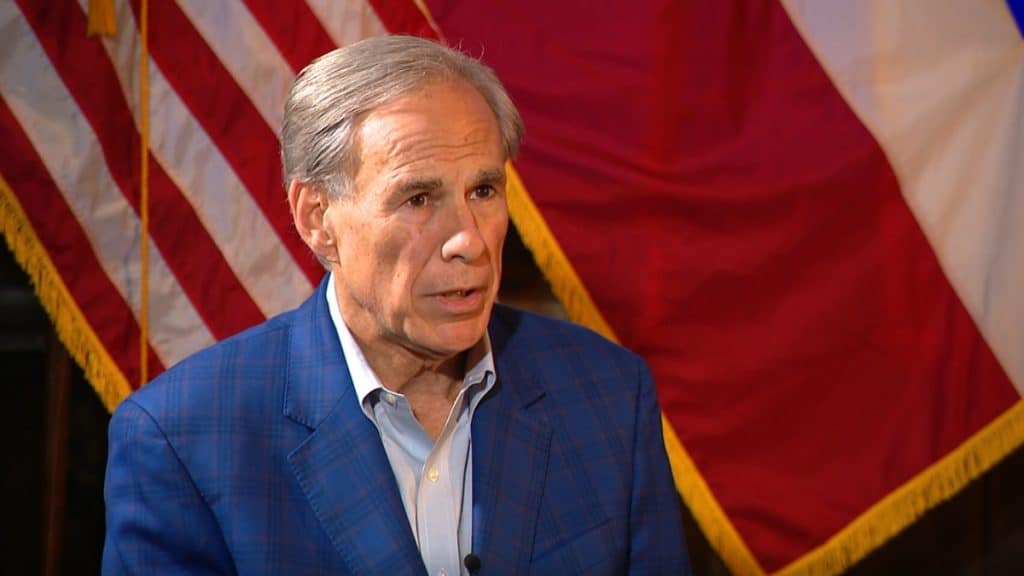
The governor has said that gambling is unconstitutional in Texas and he does not see that changing anytime soon. That is a tough pill to swallow for the millions of Texans who want to bet on the Cowboys, Rockets, Rangers, and Longhorns legally from their phones.
Here is the thing about Texas. To legalize sports betting, you need a constitutional amendment. That means bills have to pass both chambers of the legislature with a two-thirds majority. Then voters have to approve it in a referendum. That is a high bar. And without the governor’s support, it is nearly impossible.
But There Are Signs of Hope
Not everyone in Texas politics is against gambling expansion. According to D Magazine, Lt. Governor Dan Patrick recently had dinner with owners and leaders of Texas professional sports teams. At that dinner, he reportedly signaled openness to sports betting.
This is significant. Patrick controls the Texas Senate. If he supports a sports betting bill, it has a real chance of getting through at least one chamber. The problem is still Abbott. But political winds can change, especially when there is this much money on the table.
Texas is leaving billions of dollars in tax revenue on the table every year. Neighboring states like Louisiana and Colorado already have legal sports betting. Texans are crossing borders or going online to place bets. The economic argument for legalization gets stronger every day.
Prediction Markets Fill the Gap
Here is an interesting twist. While traditional sports betting remains illegal in Texas, prediction markets have stepped in as an alternative.
According to the Texas Tribune, the rise of platforms like Kalshi has given Texans a way to bet on sports outcomes without technically violating state gambling laws. Prediction markets are classified as financial instruments by the CFTC, not gambling products. That federal classification creates a legal gray area that Texans are exploiting.
But Texas is now eyeing regulation for prediction markets too. The Tribune reports that some Texas lawmakers want to impose state-level rules on platforms like Kalshi. The challenge? Federal regulators at the CFTC say they have jurisdiction. It is the same fight playing out in Massachusetts and other states.
For Texas bettors who want to bet on tonight’s games, prediction markets are one legal-ish option. But they come with risk. The regulatory landscape is shifting fast.
Where Texas Bettors Can Bet Right Now
Let me be straight with you. If you are in Texas and you want to bet on sports, your legal options are limited. Daily Fantasy Sports through DraftKings and FanDuel are available. Prediction markets like Kalshi are in a gray area.
Many Texas bettors turn to offshore sportsbooks that accept US customers. Platforms like Bovada, BetOnline, and MyBookie are popular choices in the Lone Star State. They offer full sports betting — NBA, MLB, NHL, NFL, college sports, everything.
BetUS is another solid option. They have been around for years and offer generous bonuses that Texas bettors love. Everygame and BetNow also accept Texas customers and offer competitive odds on tonight’s NBA Playoff action.
The Texas Legislature and What Comes Next
The Texas legislature only meets every two years. The 2025 session came and went without a sports betting bill making it to the finish line. The next regular session is in 2027.
That means Texans are likely stuck without legal sports betting for at least another year and a half. Unless a special session is called — which is extremely unlikely given Abbott’s position.
Some advocates are hopeful that the 2027 session will be different. By then, even more states will have legalized sports betting. The revenue numbers from neighboring states will be even more compelling. And the prediction market fight could force Texas to take a position on gambling regulation one way or another.
CBS Sports notes that Texans may continue to turn to Daily Fantasy Sports and prediction markets as alternatives until the legislature acts.
What About Casinos in Texas?
Texas has a very limited casino landscape. The only true casino in the state is the Kickapoo Lucky Eagle Casino in Eagle Pass, operated by the Kickapoo Traditional Tribe of Texas. It offers electronic gaming machines and some table games.
There have been discussions about expanding tribal gaming or building commercial casinos, especially in cities like Houston, Dallas, and San Antonio. But those efforts face the same constitutional hurdles as sports betting.
The economic opportunity is massive. A state the size of Texas with no major commercial casinos is unusual. Supporters of expansion point to the jobs, tax revenue, and tourism that casinos bring to other states.
Responsible Gambling Reminder
Even in a state without legal sports betting, responsible gambling matters. If you are betting through any platform — offshore, prediction markets, or daily fantasy — set limits on your spending. Never chase losses. And always bet with money you can afford to lose.
If you or someone you know has a gambling problem, call the National Council on Problem Gambling helpline at 1-800-522-4700. It is free, confidential, and available 24/7.
📂 Explore more: Texas