

Sports betting is not legal in Texas in 2026, and your only realistic path to placing a wager from the Lone Star State is through offshore sportsbooks like Bovada or BetOnline. No state-licensed app exists. No bill passed. Dan Patrick killed it again. That’s the blunt truth — and roughly 30 million Texans are stuck with it while the World Cup literally rolls into Dallas and Houston this month.
I’ve been depositing crypto on offshore books from a Houston coffee shop for two years now. Nobody’s knocked on my door. But there’s real nuance here that every other guide on the internet skips — the legal gray area, the tax situation, the “what if they don’t pay me” question. We’re covering all of it.
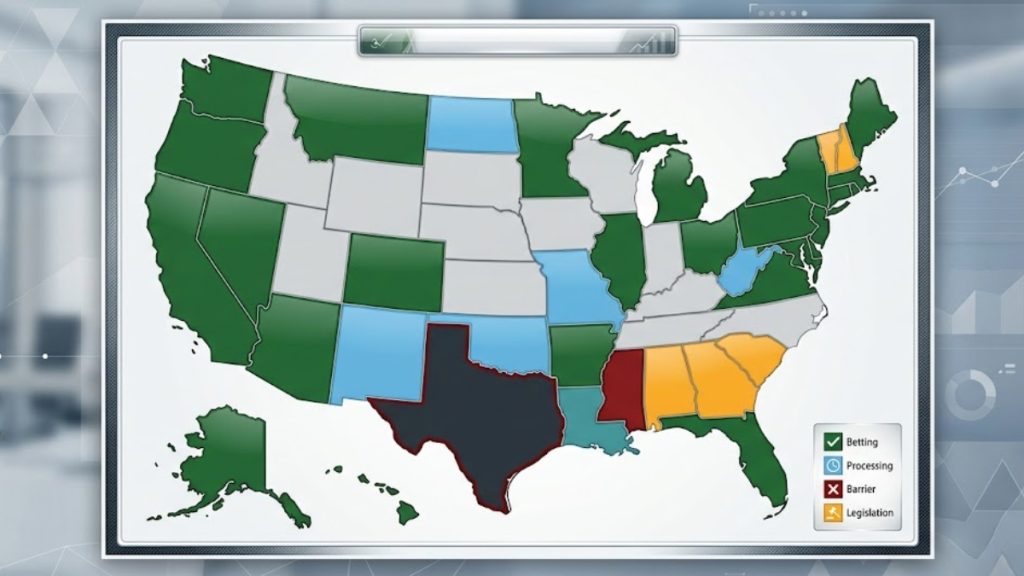
For a deeper breakdown of the political and legal situation, see this Texas sports betting update 2026.
Why Can’t Texans Bet on Sports Through a State-Licensed App?
Texas has no legal framework for online sports betting because the state legislature has repeatedly failed to pass enabling legislation, and Lt. Gov. Dan Patrick remains the biggest roadblock. The Texas sports betting stalemate goes back years now.
Here’s the short version. The Texas House actually passed a sports betting bill in 2023 — HB 1942 cleared with bipartisan support. Patrick buried it in the Senate. The 2025 session? Same story. The Texas GOP platform explicitly opposes gambling expansion, and Patrick has said publicly he’s “simply not there yet” on sports betting.
Meanwhile, Texas is the largest US state by population without legal sports betting. Thirty million people. A state that houses the Cowboys, Texans, Astros, Rangers, Mavericks, Spurs — and now 16 World Cup matches across two cities.
The demand is massive. The supply is zero. So Texans improvise.
What Are the Actual Options for Betting on Sports in Texas Right Now?
Texas bettors have three paths in 2026, and only one of them lets you bet a moneyline on tonight’s game:
DFS is technically legal in Texas and has been operating without issue. But if you want to bet the USA vs. Mexico World Cup match with a proper spread or live bet, DFS won’t cut it.
Offshore sportsbooks are where the action is. Every Reddit thread about Texas sports betting ends up at the same conclusion — Bovada and BetOnline are the go-to platforms.
How Do I Actually Deposit on an Offshore Sportsbook from Texas?
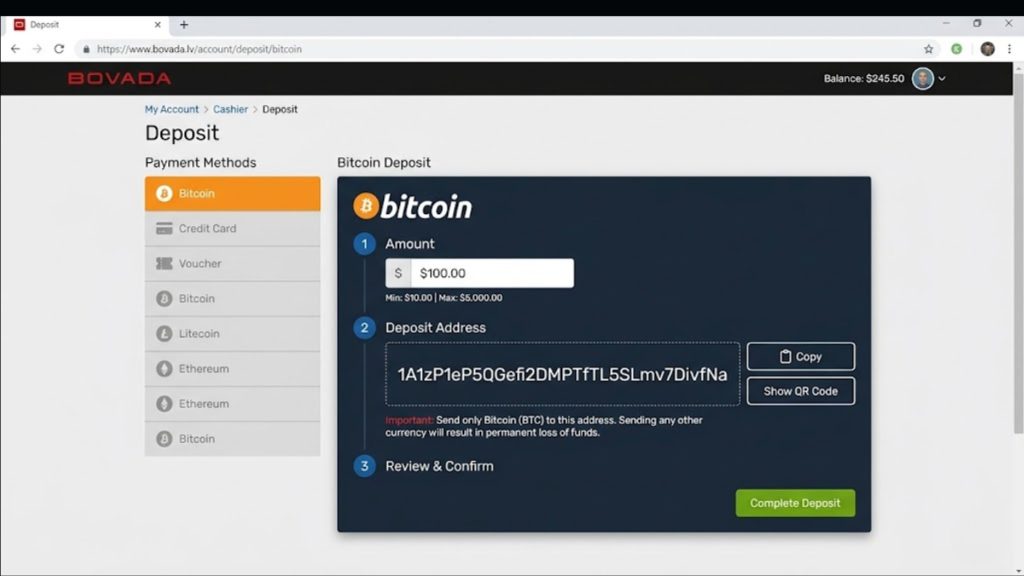
Crypto is the move. Full stop. I deposited 0.04 BTC on Bovada last month from my phone while sitting in a Whataburger parking lot in Katy, and the funds hit my account in 11 minutes. Credit card deposits work too, but they get declined more often and carry higher fees.
Here’s the exact process I use:
Step 1: Buy Bitcoin or Litecoin on Coinbase or Cash App. Coinbase links to your bank account through Plaid — takes about 2 minutes if you already have an account.
Step 2: Create an account on Bovada (or BetOnline — both accept TX residents). Use a real email. You’ll need it for withdrawal verification later.
Step 3: Go to the Cashier section, select Bitcoin deposit, and copy the wallet address Bovada generates for you.
Step 4: Send crypto from Coinbase to that wallet address. Bovada’s minimum BTC deposit is $10. I typically send $200-$500 worth at a time.
Step 5: Wait 10-20 minutes for blockchain confirmation. Your balance updates automatically.
That’s it. Five steps. No VPN needed, no tricks, no workarounds. The whole thing takes less time than ordering food at that Whataburger.
BetOnline runs the same way but also accepts Ethereum, Ripple, and a dozen other altcoins if you’re deeper into crypto. Their deposit minimums are slightly lower. Withdrawals? I got paid in Bitcoin from BetOnline in 14 hours last time — screenshots don’t lie.
What Happens If I Get Caught Betting Offshore from Texas?
No individual Texas bettor has ever been prosecuted for placing bets on an offshore sportsbook. Not one. Zero cases.
Look — I’m not a lawyer, and this isn’t legal advice. Texas law prohibits operating a gambling business, and federal law (the Wire Act) targets operators, not bettors. The state has never allocated enforcement resources toward individual bettors using offshore platforms.
That said, the legal gray area is real. Texas Penal Code Chapter 47 defines gambling broadly, and placing a bet technically falls under it. The penalty? Class C misdemeanor — same category as a traffic ticket. Maximum fine of $500.
But here’s reality: law enforcement in Texas is focused on illegal gambling operations — underground poker rooms, unlicensed machines in gas stations, that kind of thing. The idea that a Texas Ranger is going to track your Bitcoin transaction to Bovada and show up at your door is… not realistic. I’ve talked to sharps in Dallas and Houston who’ve been betting offshore for a decade without a single issue.
Am I telling you it’s risk-free? No. Am I telling you the practical risk to an individual bettor is extremely low? Yeah. That’s the honest assessment every other Texas betting guide is too scared to give you.
Do I Have to Pay Taxes on Offshore Betting Winnings?
Yes. The IRS does not care where you placed the bet — all gambling income is taxable under federal law, period.
This is the section nobody else writes because it’s not sexy. But it matters, especially if you’re winning real money. Here’s what you need to know:
- All net gambling winnings are reported as “Other Income” on your federal tax return (Form 1040, Line 8)
- You can deduct gambling losses, but only up to the amount of your winnings, and only if you itemize deductions
- Offshore books don’t send you a W-2G like a Vegas casino would. That doesn’t mean you skip reporting. The IRS still expects it.
- Keep records. Screenshots of your deposit and withdrawal history are your best friend. I export mine from Bovada quarterly.
Texas has no state income tax, so you’re only dealing with federal. But if you hit a $10,000+ withdrawal and your bank flags it under BSA/CTR reporting, you’re going to want those records clean.
Real talk: most recreational bettors who lose more than they win owe nothing. But if you’re profitable — and some of you degens reading this are — file it right. The IRS can match blockchain transactions to exchanges now. Don’t be dumb about it.
Which Offshore Sportsbook Is Best for Texas Bettors Heading into the World Cup?
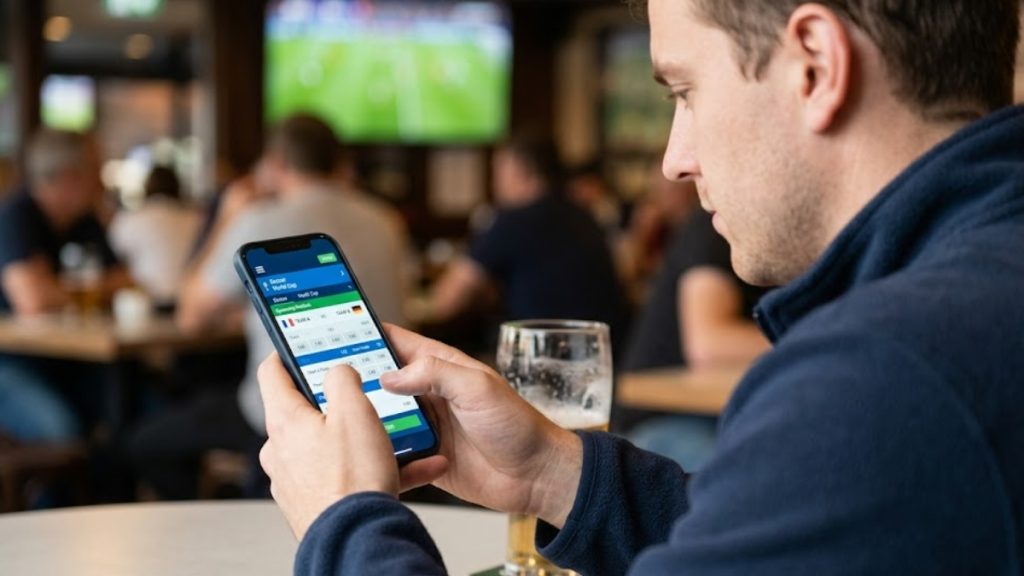
Bovada is the best offshore sportsbook for Texas bettors in 2026 because it combines the fastest crypto deposits, the deepest World Cup betting menu, and a platform that actually works on mobile without wanting to throw your phone.
The World Cup landing in Texas changes everything about this question. Dallas is hosting 9 matches at AT&T Stadium. Houston gets 7 at NRG Stadium. If you’re going to any of these games — or watching at a bar on Washington Ave. or Deep Ellum — you’re going to want live betting access that doesn’t lag.
Here’s how the top three stack up for World Cup 2026:
I’ve been running accounts on all three since 2024. Bovada’s mobile interface is the cleanest by a wide margin. BetOnline has slightly better odds on soccer futures — their World Cup outright lines were sharper than Bovada’s during qualifying. And if you want the biggest bonus for a fresh deposit before the tournament kicks off, our MyBookie review breaks down their current offer.
For pure World Cup betting from Texas, my money — literally — is on Bovada.
What If an Offshore Sportsbook Doesn’t Pay Me?
This is the risk nobody talks about, and it’s the one that actually matters more than the legal question. Offshore sportsbooks operate outside US jurisdiction. If Bovada or BetOnline decides not to pay you, you can’t sue them in a Texas court.
But the major offshore books have been operating for 15+ years specifically because they DO pay. Bovada has been around since 2011 (and before that as Bodog since the early 2000s). BetOnline has operated since 2004. Their entire business model depends on reputation.
Where you get burned is with shady no-name offshore sites that pop up and disappear. Stick with established platforms that have years of Reddit threads and forum reviews backing up their payout history.
My rules for protecting yourself:
- Never deposit more than you can afford to lose — this applies double for offshore
- Withdraw regularly. Don’t let five figures sit in an offshore account. I pull profits monthly.
- Use crypto for withdrawals. It’s faster and removes the bank-rejection variable
- Screenshot everything. Deposit confirmations, bet slips, withdrawal requests. All of it.
- Check the BetUS honest review and other DWZ sportsbook breakdowns before depositing anywhere new
If you stick with Bovada, BetOnline, or MyBookie — the three we’ve actually tested and withdrawn from — your payout risk is minimal. Not zero. Minimal. That’s the honest answer.
Will Texas Legalize Sports Betting in 2027?
Don’t hold your breath. The Texas legislature meets every two years (next session: January 2027), and LegalSportsReport’s latest analysis puts the earliest realistic legalization date at 2027 — but “realistic” is doing a lot of heavy lifting in that sentence.

For a sports betting bill to pass in Texas, it needs to clear the House (doable — it’s happened before), survive Dan Patrick’s Senate (hasn’t happened yet), and likely require a constitutional amendment that goes to voters. That’s a multi-step process that takes political will nobody in Austin has shown.
The professional sports teams — Cowboys, Texans, Rangers, Mavericks — have all lobbied for legalization. The revenue projections are enormous for a state of 30 million people. But the GOP base in Texas still opposes gambling expansion, and that’s Patrick’s constituency.
My take? 2029 is more likely than 2027. The World Cup might generate enough public pressure to move the needle, but translating “people want to bet” into “politicians vote yes” takes longer in Texas than anywhere else. Check Lone Star State betting updates for the latest.
Until then, offshore is your play.
Frequently Asked Questions
No. Texas has no legal sports betting framework. The Texas State Law Library confirms online sports betting remains illegal, and no legislation passed during the 2025 session. Daily fantasy sports platforms operate legally, but traditional sports wagering on spreads, totals, and moneylines requires offshore sportsbooks.
Bovada accepts players from Texas and has for years. I’ve maintained an active Bovada account from Houston since 2024 with zero issues depositing, betting, or withdrawing via Bitcoin. Bovada doesn’t geoblock Texas IP addresses the way state-licensed apps block non-legal states.
No individual bettor in Texas has ever been prosecuted for using an offshore sportsbook. Texas law targets gambling operators, not individual players. The theoretical maximum penalty is a Class C misdemeanor ($500 fine), but enforcement against individual bettors is functionally nonexistent.
Buy Bitcoin or Litecoin on Coinbase or Cash App, create an account on your chosen offshore sportsbook, go to the cashier section, copy the crypto wallet address, and send your deposit. The whole process takes under 20 minutes. Bovada’s minimum Bitcoin deposit is $10.
It’s possible but unlikely. The Texas legislature convenes in January 2027, and while House support exists, Lt. Gov. Dan Patrick has blocked every sports betting bill that reached the Senate. A constitutional amendment requiring voter approval adds another hurdle. Most industry analysts put realistic legalization at 2029.
Yes — the IRS taxes all gambling income regardless of where the bet was placed. Report net winnings as Other Income on Form 1040. Offshore sportsbooks don’t issue W-2G forms, so you’re responsible for self-reporting. Keep withdrawal records and screenshots of your betting history.
Bovada is the best overall offshore sportsbook for Texas bettors because of its fast crypto deposits (10-20 minutes), reliable payouts (tested multiple Bitcoin withdrawals personally), deep betting menu including World Cup 2026 props, and the best mobile experience among offshore platforms. BetOnline is a strong second choice with slightly better odds on soccer futures.
📂 Explore more: Texas