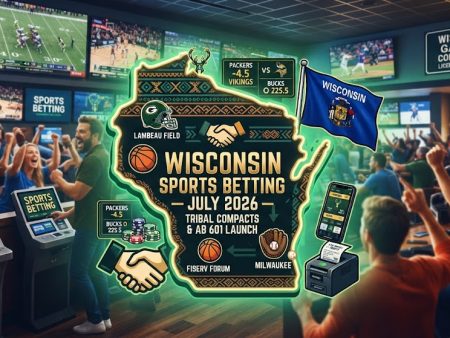

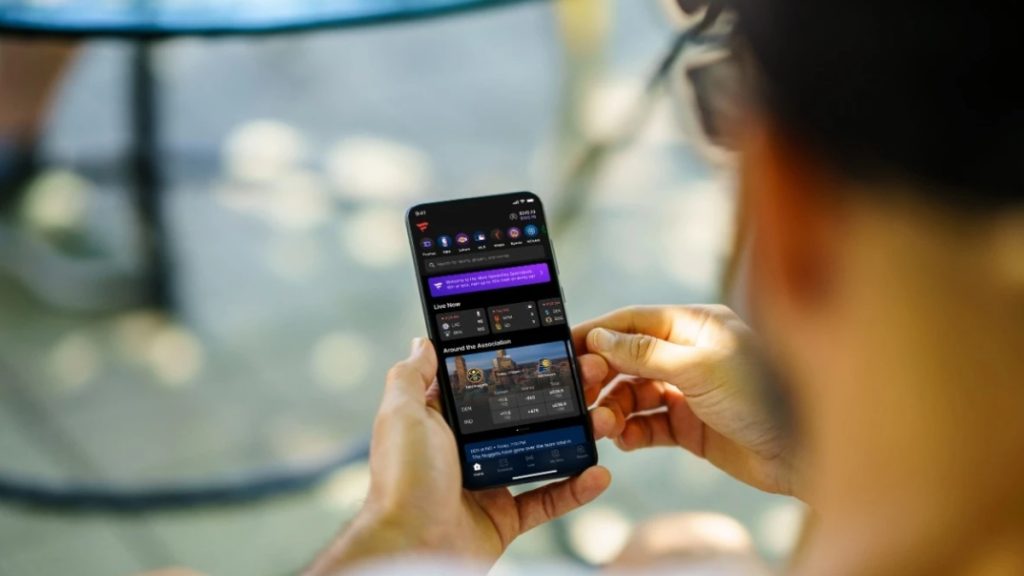
Wisconsin legalized online sports betting almost two months ago and you still can’t place a single mobile wager in the state. This stands in stark contrast to what many had hoped would change with the Wisconsin sports betting bill June 2026. Governor Tony Evers signed the tribal-exclusive bill into law on April 9, making Wisconsin the 33rd state with legal online sports betting — on paper. In practice, you’re sitting in a bar in Milwaukee refreshing an app store that has nothing for you.
The holdup is tribal compact negotiations. All 11 federally recognized Wisconsin tribes need new or amended gaming compacts with the state before any mobile sportsbook can go live. And those negotiations are moving at government speed, which is to say barely moving at all.
But while bettors wait, Wisconsin tribes just scored a massive federal court victory that could reshape how tribal gaming rights interact with prediction markets nationwide.
Why Can’t Wisconsin Bettors Use Mobile Sportsbooks Yet?
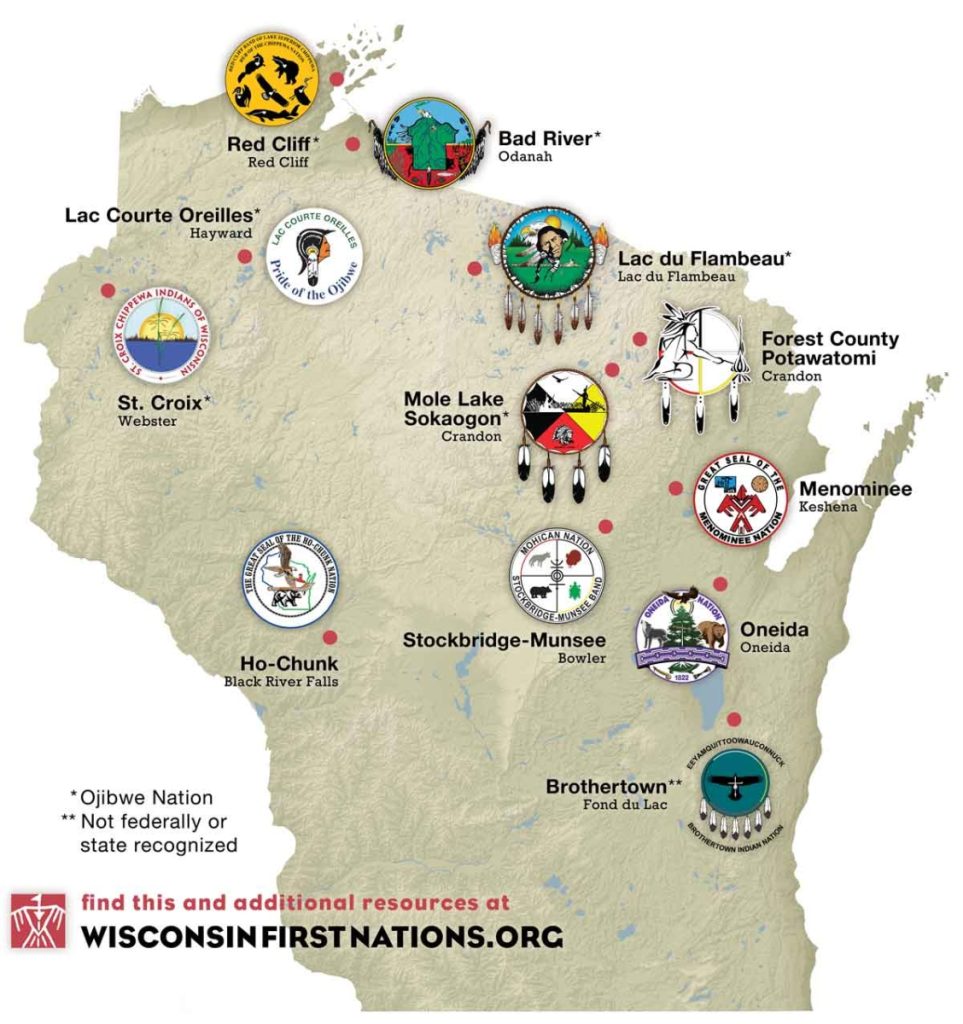
The law is clear: mobile sports betting in Wisconsin can only operate through servers on tribal land, using what’s called a “hub-and-spoke” model. Your bet goes from your phone to a server physically located at a tribal casino. Every one of Wisconsin’s 11 federally recognized tribal nations has the right to operate one online sportsbook brand — either on their own or by partnering with a national operator as a technology vendor.
But none of that happens without new gaming compacts.
Governor Evers has said he won’t support any framework that gives unfair advantage to certain tribes over others. That sounds noble, but it means every deal needs to work for 11 different tribal governments with 11 different priorities, revenue expectations, and existing casino operations.
The Senate passed the bill on March 17. Evers signed on April 9. Two months later, no compact has been finalized publicly. Industry analysts we’ve talked to expect the first mobile launches sometime in late 2026 at the earliest — possibly early 2027 for full market availability.
Connecticut’s tribal-exclusive model — the closest comparison — took roughly four months from legislation to launch. But Connecticut only had two tribes to negotiate with. Wisconsin has eleven. Do the math.
While you’re waiting, your neighbors in Illinois, Iowa, and Michigan all have fully operational mobile sports betting. Crossing a state line to place a bet has been the reality for Wisconsin sports fans for years, and that reality hasn’t changed despite the governor’s signature on that bill.
What Does the Ho-Chunk vs. Kalshi Federal Ruling Mean for Wisconsin?
Here’s where it gets genuinely interesting. A federal judge in Wisconsin allowed the Ho-Chunk Nation’s lawsuit against Kalshi to proceed, setting up one of the most significant tribal gaming rights cases in years.
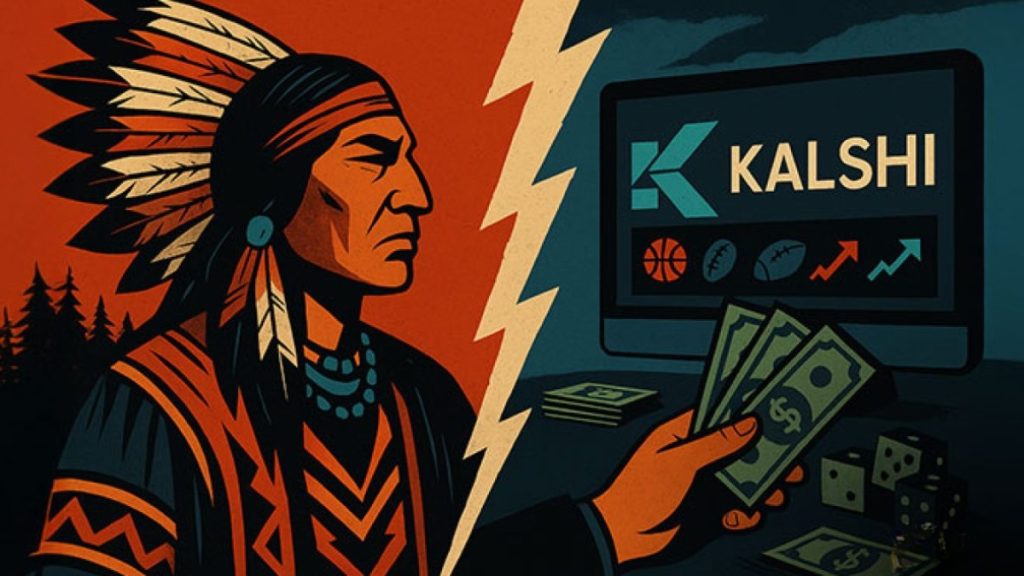
The ruling handed tribes their first major win under the Indian Gaming Regulatory Act (IGRA) against a prediction market platform. The judge rejected two of Kalshi’s key arguments:
- Kalshi argued online bets “take place” at the server, not on tribal land. The judge disagreed, finding that the location question isn’t that simple.
- Kalshi argued that UIGEA (the Unlawful Internet Gambling Enforcement Act) supersedes IGRA. The judge shot that down too — IGRA protections for tribal gaming exclusivity still apply.
This is a big f*cking deal for tribal gaming nationwide. If the Ho-Chunk Nation wins the full case, it establishes that prediction market platforms offering sports-related contracts are encroaching on tribal gaming rights — the same rights that give Wisconsin tribes exclusive control over gambling in the state.
For Wisconsin specifically, this ruling reinforces the tribal-only model. Tribes aren’t just protected by state law; they’re protected by federal law. Any platform that tries to offer sports-adjacent gambling in Wisconsin without going through the tribes is going to face this precedent.
I talked to a tribal gaming consultant last month who told me the Ho-Chunk case could be more important for tribal sovereignty than the actual sports betting legalization bill. That’s a sharp take, and based on this ruling, I think he’s right.
How Does Wisconsin’s Tribal-Only Model Compare to Other States?
Wisconsin is following the Connecticut playbook, but at a much larger scale.
Connecticut generates $130-180 million in monthly handle with 3.6 million residents. Wisconsin has 5.9 million residents and a rabid sports fanbase — Packers, Bucks, Brewers, Badgers. Industry projections put the state at $200-400 million in monthly mobile handle once all tribal apps are live.
But “once all tribal apps are live” is doing serious heavy lifting in that sentence. The honest assessment: Wisconsin bettors are probably looking at a staggered rollout where larger tribes with existing DraftKings or FanDuel tech partnerships launch first, and smaller tribal operations follow over months.
The national operators — DraftKings, FanDuel, BetMGM, Caesars — will likely operate as technology vendors under tribal licenses, similar to the arrangement in Connecticut. You’ll use a DraftKings-branded app, but the license holder is the tribe. The app routes through tribal servers. The revenue flows through tribal compacts.
Your betting experience should feel similar to any other state. The technology behind it is just structured differently.
Is Sports Betting Legal in Wisconsin Right Now?
Legal: yes. Operational for mobile: not yet.
What’s available now:
- Retail sportsbooks at tribal casinos — these have been operating for years under existing compacts
- In-person wagering at tribal gaming facilities across the state
What’s NOT available yet:
- Mobile/online sports betting from your phone
- Any sportsbook app in the App Store or Google Play for Wisconsin
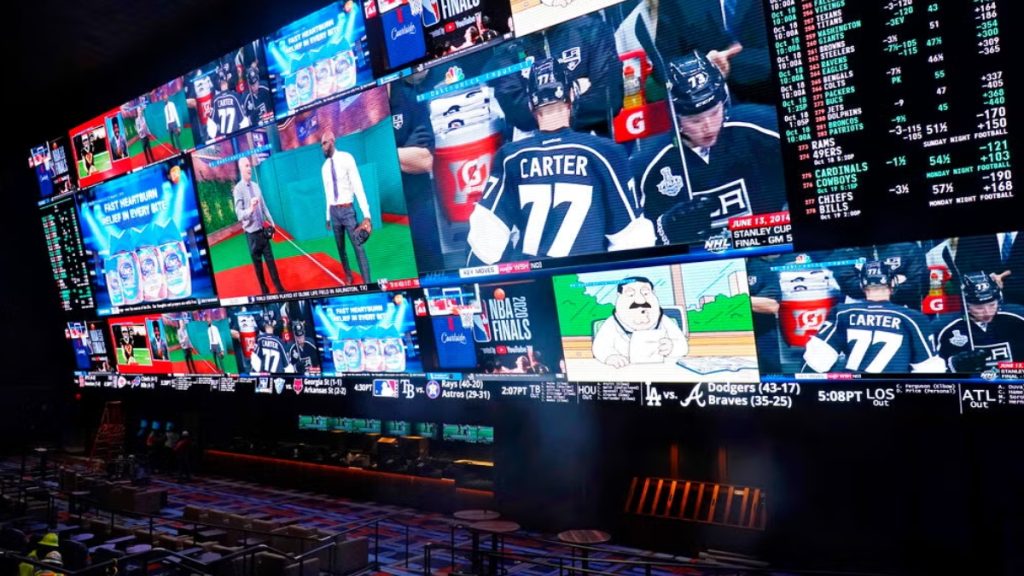
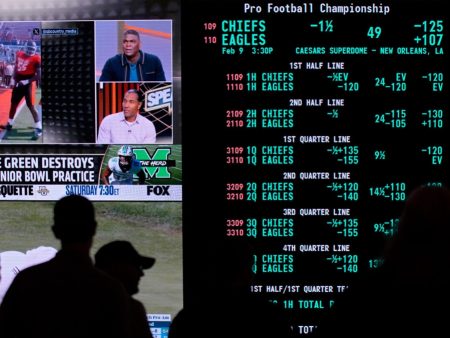
The existing retail sportsbooks at tribal casinos aren’t going anywhere. If you live near Potawatomi Hotel & Casino in Milwaukee or Ho-Chunk Gaming in Wisconsin Dells, you can walk in and bet right now. But if you’re sitting on your couch during a Packers game wanting to hammer a live bet, you’re out of luck until the compacts get done.
Where Can Wisconsin Bettors Place Bets While Waiting for Mobile Launch?
This is the question we get more than any other from Wisconsin readers. You’ve got a few options:
Option 1: Drive to a neighboring state. Illinois, Iowa, and Michigan all have mobile betting. If you’re near the border, you can cross over, bet from your phone using geolocation, and drive home. We’ve done it. It’s annoying but it works.
Option 2: Retail at tribal casinos. Walk into any Wisconsin tribal casino with a retail sportsbook. Place your bets the old-fashioned way. No app needed.
Option 3: Offshore sportsbooks. Platforms like Bovada, MyBookie, BetOnline, BetUS, Everygame, TheOnlineCasino, and BetNow accept Wisconsin residents right now. Full mobile betting, props, live in-game wagering, casino games — everything. These operate outside state jurisdiction. The trade-off is no state-regulated consumer protections, but you get access today instead of waiting for compacts to finalize.
We were covering Wisconsin’s 2026 betting push when the governor signed the bill last month. The excitement was real. But the reality is that implementation takes time, and tribal compact negotiations aren’t something you can rush.
What Should Wisconsin Bettors Watch For Next?
Here’s your roadmap:
- Tribal compact announcements — watch for the Governor’s office and individual tribes to announce framework agreements; the larger tribes (Ho-Chunk, Potawatomi, Menominee) will likely finalize first
- Tech vendor partnerships — when tribes announce deals with DraftKings, FanDuel, or other national operators, launch is getting close
- Ho-Chunk vs. Kalshi ruling — the full case goes forward and could set tribal gaming precedent for the entire prediction market industry
- App availability — the actual launch; expect pre-registration promotions from tribal-licensed apps before they go live
- NFL season pressure — there’s enormous economic incentive to launch before the Packers’ 2026 season starts in September; compact negotiations may accelerate under that pressure
The Packers kick off in September. Every week without mobile betting in Wisconsin is tax revenue flowing to Illinois, Iowa, and offshore operators instead of staying in-state. That’s the leverage pushing these negotiations forward.
Keep checking our Wisconsin coverage and the state-by-state betting news hub for updates. We’ll break the news the second a compact gets signed.
Frequently Asked Questions
1. When will I be able to bet on my phone in Wisconsin?
No confirmed date yet. Tribal compact negotiations are ongoing. Industry consensus points to late 2026 for initial launches, with full market availability possibly extending into early 2027. The NFL season starting in September creates strong incentive for at least one tribal app to launch by then.
2. Will DraftKings and FanDuel be available in Wisconsin?
Most likely, but as technology vendors operating under tribal licenses — not as standalone operators. The apps may carry DraftKings or FanDuel branding, but the license holder will be a Wisconsin tribal nation. Your experience using the app should feel the same as any other state.
3. What’s the Ho-Chunk Kalshi case about?
The Ho-Chunk Nation sued Kalshi, arguing that the prediction market platform’s sports event contracts violate tribal gaming exclusivity under the Indian Gaming Regulatory Act (IGRA). A federal judge let the case proceed and rejected Kalshi’s key defenses. If Ho-Chunk wins, it sets precedent that prediction market sports contracts cannot operate in states with tribal gaming exclusivity.
📂 Explore more: Wisconsin