
If you bet on sports and you’re not paying attention to prediction markets, you’re missing one of the biggest shifts in the gambling world right now. One of the most talked-about platforms is the Kalshi prediction market, which has seen incredible activity. The last two weeks have been absolutely wild for platforms like Kalshi and Polymarket. And the ripple effects are hitting the sports betting industry hard.
Let me walk you through everything that happened. Then I’ll explain why it matters for your betting strategy.
What Just Happened With Prediction Markets This Week?
The headlines came fast and furious. Here’s the short version before we dig into the details.
Kalshi landed on TIME Magazine’s Most Influential Companies list. The U.S. Senate unanimously banned its own members from trading on prediction markets. Minnesota is moving to ban prediction markets statewide. Three congressional candidates got fined for betting on their own elections. And Kalshi launched music prediction markets that already hit $400 million in volume.
That’s a lot of news for a single week. Let’s break each one down.
Kalshi Makes TIME’s Most Influential Companies List
According to Covers.com, Kalshi earned a spot on TIME Magazine’s Most Influential Companies list for 2026. That puts Kalshi alongside some of the biggest names in tech and business worldwide.
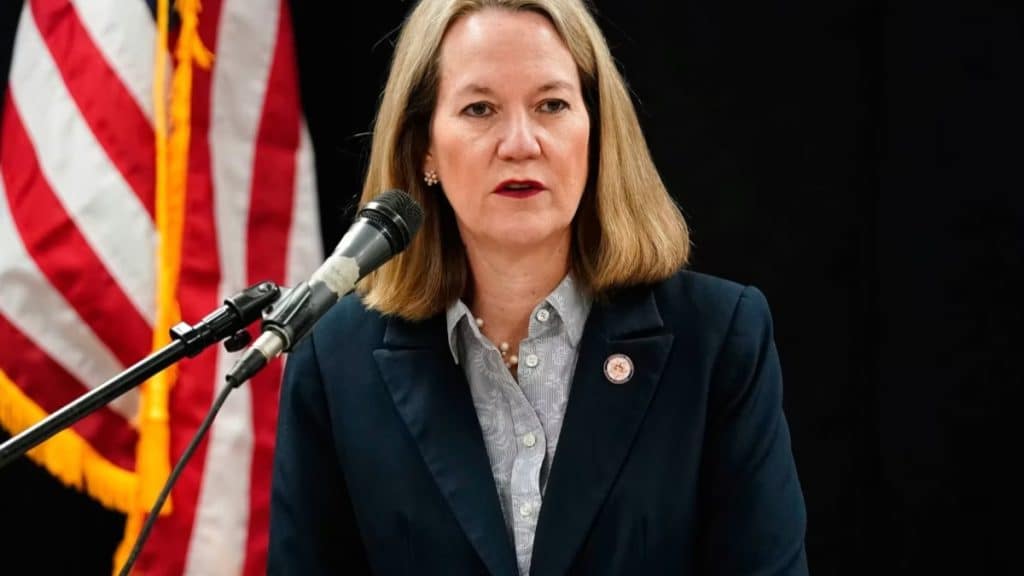
This is a huge deal. Just two years ago, most people had never heard of prediction markets. Now the leading platform in the space is being recognized as one of the most important companies in the world.
But here’s the catch. As Covers.com notes, “Its rise remains legally contested in multiple states.” Kalshi is fighting legal battles on multiple fronts. The CFTC (Commodity Futures Trading Commission) has been aggressive in trying to regulate these platforms. And several states are passing their own laws to restrict or ban prediction market trading.
For sports bettors, this matters because prediction markets are becoming an alternative way to bet on sports outcomes. In states where traditional sports betting isn’t legal yet, platforms like Kalshi offer a way to get action on games through event contracts. Action Network has been covering this extensively, noting that Kalshi and Polymarket both offer sports-related markets.
The Senate Just Banned Itself From Prediction Market Trading
This one caught a lot of people off guard. According to CNBC, the U.S. Senate unanimously passed a rule barring all senators from trading on prediction markets. The ban went into effect immediately.
Why does this matter? Because it shows how seriously Washington is taking the prediction market boom. When lawmakers ban themselves from doing something, it usually means stricter rules for everyone else are coming next.
The concern is simple. Senators have access to inside information about policy decisions that could move prediction markets. A senator who knows a certain bill will pass could profit by trading on that outcome before it becomes public knowledge.
This is the same logic behind insider trading laws in the stock market. And now prediction markets are being treated with similar scrutiny.
Since January 2026, congressional lawmakers have introduced more than 10 bills targeting prediction markets, according to a legal analysis from Lowenstein. Key proposals include restricting what types of events can be traded and imposing age verification requirements.
Kalshi Announces New Rules to Keep Kids Off the Platform
In a breaking report from Axios on May 4, Kalshi is putting new tools in place to prevent minors from trading on prediction markets. But the platform is resisting calls to block 18-to-20-year-olds from using the service.
This is a hot-button issue. Critics say prediction markets are too easy for young people to access. Kalshi argues that 18-year-olds are legal adults who can make their own decisions about trading.
For the sports betting industry, this debate sounds familiar. Sportsbooks have dealt with the same age verification challenges for years. The standard in most states is 21 and older for sports betting. Prediction markets currently allow users as young as 18 in many cases.
If you’re using platforms like Bovada or BetOnline for traditional sports betting, you already go through age verification. Prediction markets are catching up to those same standards.
Minnesota Moves to Ban Prediction Markets Statewide
According to MPR News, both chambers of the Minnesota Legislature advanced legislation this week that would ban prediction markets in the state. This comes on the heels of the CFTC’s lawsuit against Wisconsin over prediction market regulation that we covered last week.
Minnesota’s move is significant because it could create a domino effect. If one state successfully bans prediction markets, others will follow. The legislative language specifically targets platforms like Kalshi and Polymarket.
We wrote about this trend last week when we covered the Minnesota prediction market ban bill heading to the Senate floor. The bill is now closer than ever to becoming law.
This is part of a broader pattern. States are struggling to figure out how prediction markets fit into their existing gambling frameworks. Are they gambling? Are they financial instruments? Are they something entirely new? Nobody agrees on the answer.
For bettors in Minnesota, this could mean losing access to these platforms entirely. Traditional sportsbooks like FanDuel, DraftKings, and BetMGM would remain your best options for legal sports wagering in the state.
Three Congressional Candidates Fined for Betting on Their Own Elections
The Associated Press reported that three congressional candidates actually wagered on the outcome of their own elections on Kalshi. The platform fined them for it.
This is exactly the kind of story that fuels calls for tighter regulation. When candidates bet on themselves — and potentially profit from insider knowledge about their own campaigns — it looks terrible. Even if it’s technically legal, it undermines trust in the system.
Kalshi deserves credit for catching it and imposing fines. But regulators will point to this as evidence that the industry needs stronger guardrails.
Kalshi’s Music Prediction Markets Hit $400 Million
Here’s the fun part. According to Covers.com, Kalshi launched prediction markets for the music industry, and they’ve already generated $400 million in trading volume in 2026.
What does that look like in practice? You can trade on outcomes like which artist will win Album of the Year. Who will headline a major festival. Whether a specific album will go platinum. It’s a completely new category of betting that didn’t exist two years ago.
Covers.com also reported on markets for People’s Sexiest Man Alive, the next Bond girl, and even the release date of GTA 6. These entertainment markets are drawing in a whole new audience of people who might never have placed a traditional sports bet.
For sports bettors, this represents competition for your attention and bankroll. Every dollar that goes into a music prediction market is a dollar that isn’t going into an NBA playoff bet. Sportsbooks are paying attention to this trend.
If you’re curious about trying prediction markets alongside traditional sports betting, start with small amounts. Platforms like Kalshi and Polymarket work differently than sportsbooks like Bovada or MyBookie. The contracts, pricing, and settlement processes take some getting used to.
How Does This Affect Sports Bettors Right Now?
Here’s the practical takeaway. Prediction markets are changing the landscape of sports betting in three major ways.
First, they’re adding new betting options. You can now bet on sports outcomes through event contracts on Kalshi, even in some states where traditional sports betting isn’t legal. Polymarket offers similar markets. Action Network reports that Polymarket even had odds on tonight’s NHL games — with the Ducks vs. Golden Knights priced at a perfect 50-50 coin flip.
Second, they’re driving regulatory changes. Every new prediction market regulation has the potential to affect traditional sports betting too. When senators ban themselves from prediction markets, it opens the door to broader trading restrictions that could eventually touch sportsbooks.
Third, they’re creating arbitrage opportunities. When Polymarket has the Ducks at 50% to beat the Golden Knights, but DraftKings has the Ducks at +160 (38% implied probability), there’s a gap. Smart bettors can exploit these pricing differences between prediction markets and traditional sportsbooks.
I’ve been shopping lines between Bovada, BetOnline, and Kalshi all week. The pricing discrepancies are real. And they won’t last forever. As these markets mature, the lines will tighten up.
What’s Next for Prediction Markets in 2026?
The regulatory battles are going to intensify. Here’s what I’m watching.
The Minnesota ban could pass within weeks. If it does, expect similar bills in other states. Ohio is already moving to tax prediction markets like sports betting — we covered that story last week.
The Nevada Gaming Commission has also filed a lawsuit against a prediction market firm, according to AOL News. Nevada regulators fear prediction markets could expand into casino gaming and threaten the traditional industry. When Las Vegas feels threatened, the lobbying power comes out in full force.
On the federal level, Congress has more than 10 bills in various stages targeting prediction markets. Some want to ban them entirely. Others want to regulate them like financial products. The outcome will shape the future of sports betting in America.
For now, prediction markets remain legal and accessible in most states. But the window could close fast. If you want to try them, this might be the time.
The Bottom Line for Bettors
Prediction markets are here to stay. Even if individual states ban them, the genie is out of the bottle. Platforms like Kalshi and Polymarket have proven there’s massive demand for this type of trading.
As a sports bettor, you should at least understand how these markets work. You don’t have to trade on them. But knowing what they are — and how they might affect your traditional sportsbook experience — gives you an edge.
The sports betting world is getting more complex every month. Between traditional sportsbooks like Everygame and BetNow, prediction markets like Kalshi and Polymarket, and DFS platforms, there are more ways than ever to get action on the games you love.
Just remember the basics. Set a budget. Stick to it. Don’t chase losses. And never bet more than you can afford to lose. Whether you’re trading prediction market contracts or placing a parlay on tonight’s NBA games, the rules of responsible gambling still apply.
If you or someone you know is struggling with gambling, call the National Council on Problem Gambling helpline at 1-800-522-4700. They offer free, confidential support around the clock.
📂 Explore more: Gambling Guides