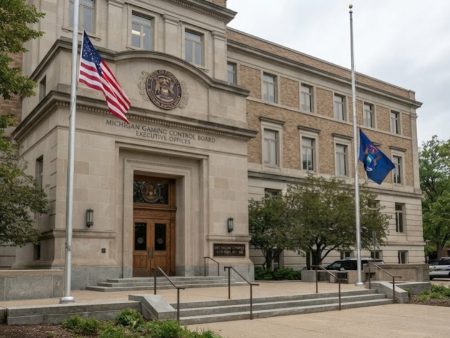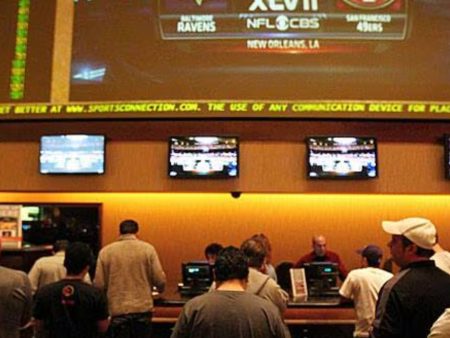

Michigan has quietly become one of the biggest online gambling markets in America. If you’re wondering how the Michigan Sports Betting Tax impacts players and operators, you’re not alone. The Wolverine State’s iGaming revenue hit a record $322.1 million in March 2026 alone, according to Michigan Gaming Control Board data. Sports betting handle is through the roof. FanDuel leads the market with DraftKings and BetMGM fighting for second place.
But behind those record numbers, a massive political fight just played out in Lansing that could have changed how every single Michigan bettor places wagers. And honestly, it’s not over yet.
The Per-Bet Tax: What Governor Whitmer Proposed
Governor Gretchen Whitmer dropped a bomb in her fiscal year 2027 budget proposal. She wanted to impose a per-wager tax on every online sports bet placed in Michigan:
- 25 cents per bet on a sportsbook’s first 20 million wagers annually
- 50 cents per bet on every wager after that
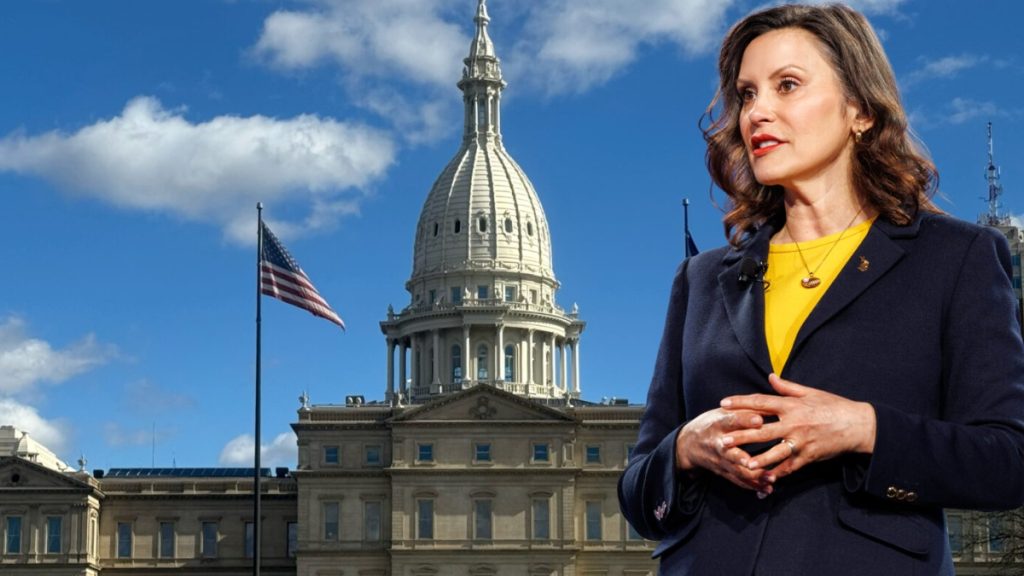
According to the Governor’s budget office, this tax was estimated to generate $136 million annually. That’s on top of Michigan’s existing 8.4% tax on sports betting revenue.
Covers.com’s industry reporting confirmed the details and noted that Whitmer also proposed eliminating promotional deductions for sportsbooks — the credits operators use to offset bonus bets and free plays against their tax bill. Analysts estimated killing promo deductions alone would raise an additional $21 million.
Add it all up: Whitmer was asking for roughly $192 million in new gambling taxes from iGaming and sports betting operators.
The Legislature Said Absolutely Not to Michigan Sports Betting Tax
Here’s where it gets interesting. The Michigan Senate passed its own budget bills this month, and they completely stripped out Whitmer’s per-bet tax and iGaming tax increases.
Legal Sports Report confirmed that the Senate’s plan is actually slightly larger than Whitmer’s overall $88 billion proposal, but lawmakers removed her request for $800 million in new taxes — including the gambling taxes. Deadspin’s legal betting coverage reported the rejection was decisive.
iGaming Today noted that lawmakers essentially told the Governor her push for a per-bet fee was dead on arrival. The bipartisan pushback was significant.
Why the legislature killed it: Operators and industry lobbyists argued that a per-bet tax would destroy Michigan’s competitive advantage. At 50 cents per bet, a casual bettor who places 10 bets on a Sunday NFL slate just paid an extra $5 in hidden costs. For high-volume bettors and parlay players? The math gets ugly fast.
There’s also the competition factor. Michigan borders Indiana and Ohio, both of which have legal sports betting. If Michigan’s taxes make odds worse, bettors could simply drive across state lines or — worse for regulators — turn to offshore books like Bovada, BetUS, or MyBookie where there’s no per-bet tax.
What Michigan Sports Betting Tax Means for Local Bettors Right Now
The good news: nothing changes for now. Michigan’s current tax structure stays in place. Your odds on BetOnline, DraftKings, FanDuel, or Everygame aren’t getting worse because of this proposal.
But here’s the thing we keep telling people — these conversations don’t die. Whitmer clearly wants more revenue from gambling, and the $192 million gap in her budget has to come from somewhere. Casino.org called Michigan “the most likely state to raise iGaming and sports betting taxes in 2026,” and we agree that pressure isn’t going away.
The legislature’s rejection buys time, but expect this fight to resurface in the next budget cycle.
Michigan’s Record-Breaking iGaming Market
While the tax drama plays out politically, Michigan’s online casino market is absolutely crushing it. Here’s the recent trajectory:
These are staggering numbers. Michigan is now firmly in the top three U.S. markets for iGaming revenue alongside New Jersey and Pennsylvania. BetNow and TheOnlineCasino have been expanding their Michigan-facing offerings to capture a piece of this growing pie.
PlayMichigan identified several stories to watch heading deeper into 2026, including new operator launches and the Gaming Control Board’s stricter compliance rules that went into effect this year.
The Crime Study Controversy
One more thing Michigan bettors should know about: University of Michigan researchers recently published a study linking the legalization of sports betting to a rise in certain types of crime. The study has been covered by local news outlets and is being used by anti-gambling advocates to push for tighter restrictions.
We’re not going to pretend this isn’t a real issue. Responsible gambling matters. But correlation isn’t causation, and the study’s methodology has been questioned by industry analysts. The bigger picture is that legal, regulated markets like Michigan’s are far safer than the illegal alternatives.
The Bottom Line for Michigan Bettors
Michigan is in a great spot right now. Record revenue, competitive market, multiple operators fighting for your business with promos and bonuses. The per-bet tax is dead for now, which means your current sportsbook experience stays intact.
Keep your eyes on Lansing though. The Governor wants that money, and she’s not done trying. If you’re betting in Michigan, this is the time to lock in the current promo landscape before any tax changes potentially tighten things up.
For the latest on state gambling legislation battles, check out our sports betting industry news and our regional gambling updates for more state-by-state coverage. And if the per-bet tax talk has you considering alternatives, our crypto betting guide breaks down how offshore options work.
Gamble responsibly. Never bet more than you can afford to lose. If you or someone you know has a gambling problem, call the Michigan Department of Health and Human Services at 1-800-270-7117 or the national helpline at 1-800-GAMBLER.
📂 Explore more: Michigan