
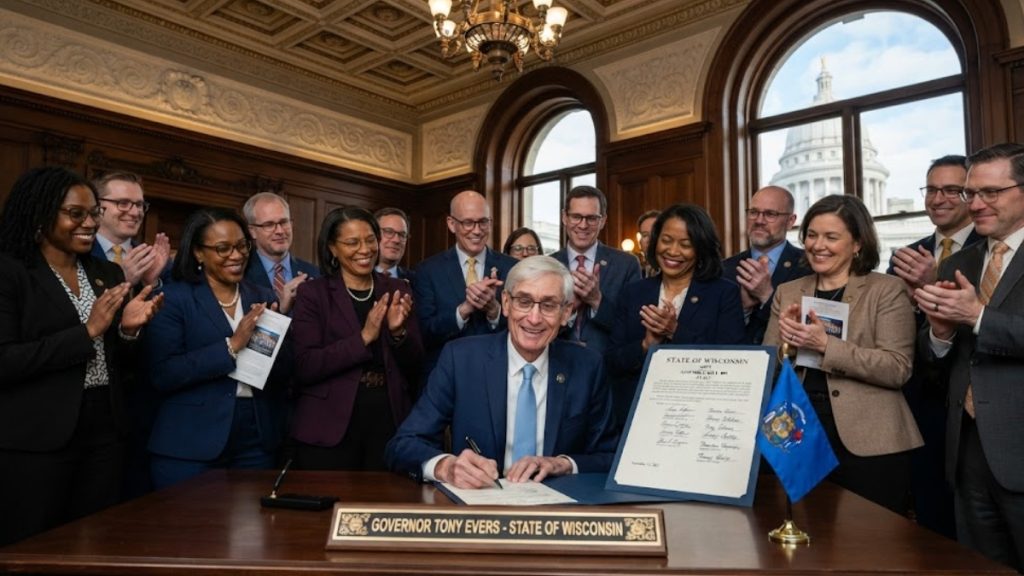
Wisconsin signed online sports betting into law on April 9, 2026 — and now the real fight starts. Here’s the latest Wisconsin Sports Betting Bill Update as things move quickly. Governor Tony Evers sat down with leaders from all 11 federally recognized tribes on June 1 to kick off compact negotiations, and the clock is ticking hard because Evers leaves office at the end of this year.
That’s the short version. The longer version involves tribal politics, federal approval bottlenecks, a weird “hub-and-spoke” betting model most states don’t use, and a Republican congressman who’s already throwing cold water on the whole thing. Let’s get into it.
What Is Assembly Bill 601 and Why Should Wisconsin Bettors Care?
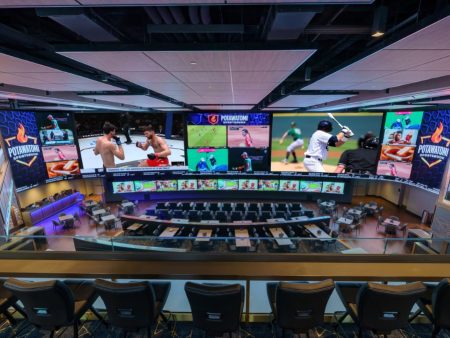
Assembly Bill 601 legalizes statewide mobile sports wagering in Wisconsin. Governor Evers signed it April 9, 2026, after all 11 tribes sent a joint letter urging him to do so. Before this bill, Wisconsin only allowed in-person sports bets at three tribal casinos — Oneida Nation, Forest County Potawatomi, and Ho-Chunk Nation properties.
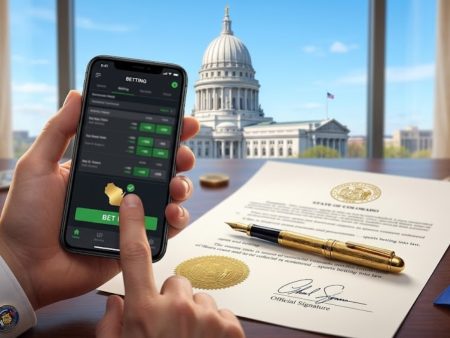
AB 601 changes the game. Once implemented, you’ll be able to place a bet from your couch in Milwaukee, a bar in Green Bay, or a cabin up in Door County. Your phone connects to servers on tribal land, the bet gets processed there, and you’re good.
But “once implemented” is doing a LOT of heavy lifting in that sentence.
How Does Wisconsin’s Hub-and-Spoke Betting Model Work?
Here’s where it gets interesting — and where Wisconsin’s approach differs from almost every other legal sports betting state.
The “hub-and-spoke” model means tribal servers act as the hubs. Your phone, wherever you are in Wisconsin, is the spoke. Every mobile wager routes through servers physically located on tribal land. Think of it like this: you’re betting from Madison, but the transaction technically happens at a tribal facility 200 miles away.
Why does this matter? It keeps the revenue and operational control with the tribes. I’ve watched states like Connecticut use a similar framework with Mohegan Sun and Foxwoods, and it works fine from a user perspective. You won’t notice the difference. The app feels the same as betting in Illinois or Iowa.
The political angle is that this structure protects tribal sovereignty over gaming. And honestly, that’s the right move for Wisconsin.
Where Are the Tribal Compact Negotiations Right Now?
Governor Evers met with all 11 tribal leaders on June 1, 2026. His spokeswoman Britt Cudaback described it as “just the first of many conversations.” So we’re at square one of the negotiation process.
Here’s the timeline problem nobody’s talking about enough: Evers is not running for re-election. He’s out at the end of 2026. If these compact negotiations don’t wrap up before the next governor takes office, the whole thing could stall — or worse, get renegotiated by someone less friendly to the deal.
Each of the 11 tribes needs to individually amend their gaming compact with the state. Then every amended compact has to get approved by the U.S. Department of the Interior’s Bureau of Indian Affairs. That federal review alone can take months.
We’re looking at a realistic best-case launch window of mid-to-late 2027 if everything goes perfectly. If the next governor plays hardball? Could be 2028 or later.
What Does Evers Want From the Tribal Agreement?
Evers has been blunt about this — he wants an equal-share model. All 11 tribes contribute equally, all 11 benefit equally.
“What I will not accept is a plan that fractures this opportunity into unequal pieces, allowing some Tribes to reap great benefits while leaving only crumbs for others,” Evers said during the bill signing.
That’s a strong stance, but here’s the reality: a governor can’t force tribes to accept a particular structure. Some tribes have bigger existing gaming operations. Some have more resources. The Oneida Nation, Forest County Potawatomi, and Ho-Chunk Nation already run sportsbooks — they’ve got infrastructure the smaller tribes don’t.
Balancing those interests is going to be the hardest part of these negotiations. And it all has to happen in roughly six months before Evers is gone.
Is Sports Betting Legal in Wisconsin Right Now?
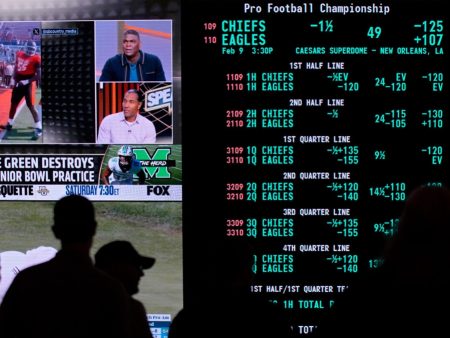
Yes, but with serious limitations. You can bet in person at three tribal casino properties:
- No mobile wagering.
- No online accounts.
- You physically walk into the casino and place your bet. That’s it for now.
Retail sports betting launched after those three tribes amended their compacts in recent years. The other eight tribes haven’t added sports betting to their compacts yet.
How Does Wisconsin Compare to Neighboring States?
This is where it stings if you’re a Wisconsin bettor. Your neighbors have been betting from their phones for years.
Illinois launched mobile sports betting in June 2020. Iowa went live in August 2019. Michigan started mobile wagering in January 2021. Minnesota still doesn’t have legal sports betting, but that’s Minnesota’s problem.
Wisconsin bettors have been driving to Illinois or crossing into Iowa to place legal mobile bets. Some have been using offshore sportsbooks like Bovada, BetUS, and MyBookie — which, let’s be real, has been the move for Wisconsin residents who don’t want to road-trip every time they’ve got a strong play on the Packers.
For more on what’s happening across the region, check our state-by-state betting news.
Who’s Opposing Wisconsin’s Sports Betting Expansion?
Republican U.S. Rep. Tom Tiffany is not a fan. He told reporters he opposes “an expansion of gaming in Wisconsin” and specifically cited the proposed Kenosha casino project. When asked about AB 601, he hedged — said he’d need to “review the details” but has “generally been opposed to expanding gaming.”
The Wisconsin Sports Betting Alliance has also pushed back on aspects of the bill, though their concerns center more on market structure than outright opposition.
Honestly? The opposition looks weak on this one. All 11 tribes support the bill. Evers signed it. The public polling favors mobile betting. The question isn’t whether it happens — it’s when and under what terms.
Where Can Wisconsin Residents Bet Right Now?
Until mobile launches, your legal options are the three tribal casinos mentioned above. But plenty of Wisconsin bettors aren’t waiting around.
Offshore sportsbooks that accept Wisconsin residents include Bovada, BetOnline, MyBookie, BetUS, BetNow, Everygame, and TheOnlineCasino. These platforms offer mobile betting, live wagering, and full sportsbook access right now — no road trip required. We’ve used several of these personally and covered them extensively in our casino reviews.
Are they regulated by Wisconsin? No. But they’ve been serving US bettors for years, and for Wisconsin residents stuck in this legislative limbo, they’re the only mobile option.
For ongoing coverage of this story, bookmark our Wisconsin betting updates page. We also covered the initial bill signing in detail — read our May Wisconsin bill breakdown for the full backstory.
What to Watch Next in Wisconsin Sports Betting
Three things to track over the next few months:
- Compact negotiation progress — Are all 11 tribes on board with the equal-share model, or do the big three push for a larger cut?
- Bureau of Indian Affairs timeline — Federal approval is the bottleneck nobody can control. Watch for compact submissions.
- The 2026 governor’s race — Whoever replaces Evers will inherit these negotiations. Their stance on tribal gaming will determine whether Wisconsin bettors get mobile apps in 2027 or wait years longer.
Bottom line: Wisconsin f*cking finally got the law on the books. But laws and live sportsbook apps are two very different things. We’ve seen this movie in other states — the bill passes, everyone celebrates, and then the regulatory slog takes forever. Stay patient, keep an eye on the compact talks, and in the meantime, you’ve got offshore options.
📂 Explore more: Wisconsin