

If you bet on sports in Colorado, big changes might be heading your way. The Colorado Senate just passed SB26-131, a sports betting reform bill that could reshape how you deposit money, receive promotions, and interact with sportsbooks in the Centennial State. The Colorado Sports Betting Reform Bill SB 26 131 is likely to have a significant impact on the betting experience for residents.
This bill is the most significant set of regulations since Colorado voters approved legal sports betting back in 2019. And according to SportsBettingDime, time is running out for lawmakers to get it through the House before the session ends on May 13.
As Colorado debates SB26-131, other states like Massachusetts are also pushing new restrictions in 2026 Massachusetts Sports Betting Bill 2026 Update, signaling a nationwide shift in sports betting regulation.
Let me break down what’s in this bill and what it means for your betting life in Colorado.
What Does SB26-131 Actually Do?
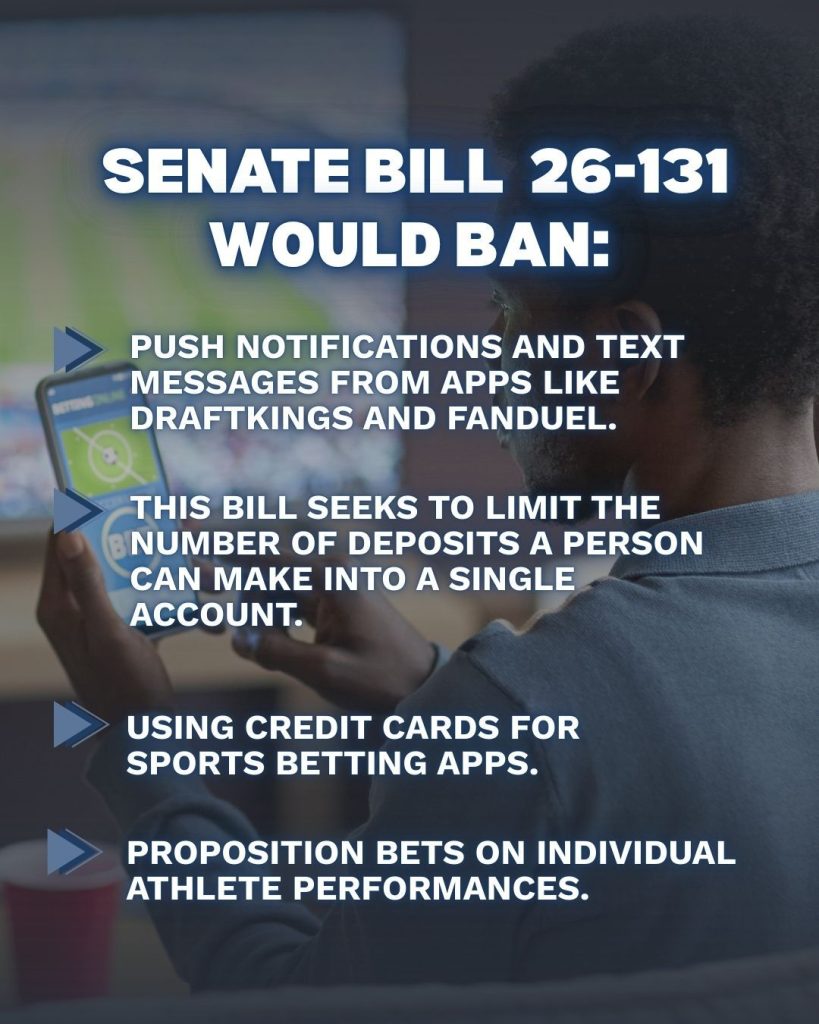
The bill targets what lawmakers are calling “abusive practices” in the sports betting industry. According to Covers.com and the Colorado Newsline, here are the key provisions:
Five-Deposit Cap: The bill would limit bettors to five deposits per day across all sportsbook apps. That’s a dramatic change. Right now, there’s no limit on how many times you can fund your account.
Credit Card Ban: No more using credit cards to deposit into sportsbook accounts. You’d need to use debit cards, bank transfers, or other methods. This is designed to stop people from gambling with borrowed money.
Push Notification Limits: Sportsbooks would face restrictions on how many promotional push notifications they can send to your phone. If you’re tired of getting five DraftKings alerts before breakfast, this one’s for you.
Marketing Restrictions: The bill includes limits on advertising that targets minors and restrictions on how aggressively sportsbooks can market to Colorado residents.
Similar regulatory debates are also unfolding in other states, including Ohio’s proposed restrictions on mobile wagering, which highlight how quickly the U.S. sports betting landscape is tightening. Read more about it here: Ohio Sports Betting Bill 2026 Mobile Ban
Where the Bill Stands Right Now
The Colorado Senate already passed SB26-131. It’s now in the House. According to NPR’s coverage from May 3, the state wants to regulate sports betting even as it reaps the tax benefits. That’s the tension at the heart of this debate.
The Denver Business Journal reported that the bill has been scaled back from its original version. Earlier drafts included even stricter provisions. The current version represents a compromise between consumer protection advocates and the sports betting industry.
Colorado’s legislative session ends on May 13, 2026. If the bill doesn’t pass the House and get the governor’s signature by then, it dies. That gives lawmakers about one week to get this done.
How This Affects Colorado Bettors
If you’re placing bets from Denver, Colorado Springs, Boulder, or anywhere in the state, here’s what you need to think about.
Deposit Limits Could Change Your Routine
Five deposits per day sounds like a lot. But if you use multiple sportsbook apps — say FanDuel, DraftKings, and BetMGM — you could hit that cap quickly. Depositing $50 into five different apps in a single day would max you out.
For casual bettors, this probably won’t matter. For sharp bettors who shop lines across multiple books and fund accounts as needed, this is a real inconvenience.
The Credit Card Ban Is Smart Policy
Honestly, I support this part of the bill. Gambling with credit cards is a recipe for debt. When you’re using money you don’t actually have, the downside risk multiplies. If you can’t afford to lose the cash in your checking account, you shouldn’t be betting.
This change brings Colorado in line with several other states that already restrict credit card gambling deposits. It’s a consumer protection measure that makes sense.
Fewer Annoying Notifications
If this passes, expect fewer “Bet $5, Get $200!” alerts on your phone at 7 AM. The push notification limits are aimed at reducing the constant bombardment of promotional messages that sportsbook apps send.
Sportsbooks have been aggressive with their marketing in Colorado since launch. Limiting that pressure is a reasonable step.
What About Offshore and Alternative Sportsbooks?
Here’s the thing Colorado lawmakers don’t always acknowledge: offshore sportsbooks aren’t subject to state regulations. If SB26-131 passes, it only applies to licensed Colorado operators like DraftKings, FanDuel, and BetMGM.
Books like Bovada, BetOnline, BetUS, and MyBookie operate outside state jurisdiction. They won’t have deposit caps or credit card restrictions. Colorado bettors who feel restricted by the new rules might look to these alternatives.
That said, licensed Colorado sportsbooks offer legal protections that offshore books don’t. There’s a trade-off, and every bettor needs to decide what matters more to them.
Colorado’s Sports Betting Market by the Numbers
Colorado has been one of the top sports betting markets in the country since launch. The state generates significant tax revenue from legal wagering.

The Colorado Division of Gaming oversees sports betting in the state. Licensed operators include all the major names — DraftKings, FanDuel, BetMGM, Caesars, and about 20 other brands.
The state also has a thriving casino scene. Black Hawk, Central City, and Cripple Creek are the three towns with licensed land-based casinos. Those brick-and-mortar operations aren’t directly affected by SB26-131, which focuses on online sports betting.
What’s Next for Colorado Bettors
The clock is ticking. With the legislative session ending May 13, the House needs to move fast on SB26-131. If it passes:
- Expect an implementation period before the rules take effect (likely August 12, 2026, per the bill’s language)
- Sportsbook apps will update their deposit systems
- Marketing and notification patterns will change
- Credit card deposits will be blocked on Colorado-licensed platforms
If it doesn’t pass, everything stays the same — at least until the next legislative session.
The Bottom Line
Colorado is trying to find the right balance between a profitable sports betting market and protecting its residents from problem gambling. SB26-131 isn’t perfect, but it addresses real concerns about credit card gambling, aggressive marketing, and excessive depositing.
Whether you support the bill or not, it’s worth paying attention to. The decisions made in the next week could change how every Colorado bettor interacts with their sportsbook apps.
And no matter what happens with the law, always bet responsibly. Set limits for yourself — even before the state does it for you. If you need help with problem gambling, call the National Council on Problem Gambling at 1-800-522-4700 or the Colorado Problem Gambling Helpline at 1-800-522-4700.
Stay sharp, Colorado.
📂 Explore more: Colorado