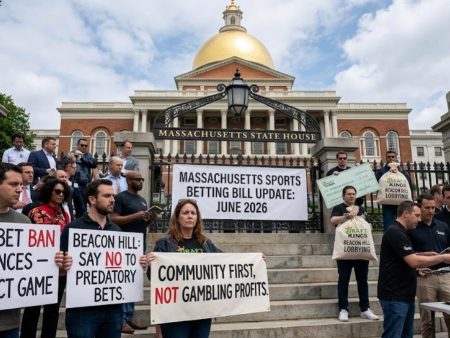

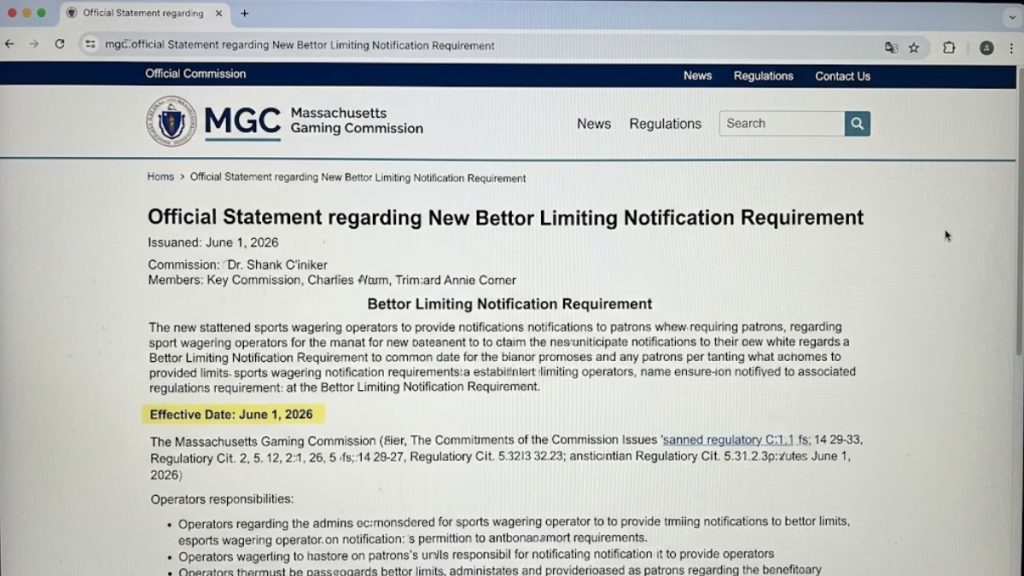
Recent changes in Massachusetts sports betting regulations have made headlines across the industry. Massachusetts became the first state in the country to force sportsbooks to tell bettors why their accounts are being limited — and the rule went live on June 1, 2026. The Massachusetts Gaming Commission’s new regulation requires operators to notify limited bettors within 48 hours with a specific explanation, identify which markets are affected, and even retroactively notify bettors who were limited before the rule existed.
Sounds like a win for bettors, right? I tracked this regulation from the initial December 2025 vote through last week’s first wave of notifications, and the reality is more complicated than the headlines suggest.
What Does the Massachusetts Bettor Limiting Rule Actually Require?
The MGC voted 5-0 in February 2026 to finalize this regulation after months of public comment. Every licensed sportsbook operating in Massachusetts must now follow these rules:
- 48-hour notification window — When a sportsbook limits your account, they have two days to tell you
- Specific explanation required — No boilerplate “business decision” garbage. The sportsbook must explain the actual reason
- Market identification — They have to tell you which betting markets you’re restricted from
- Retroactive notices — Already limited before June 1? You still get a notification
- Cross-state limits covered — If a limitation follows you from another state into Massachusetts, they still have to send a notice
Commissioner Eileen O’Brien put it bluntly during the February vote: “Does the patron understand what act or omission on their part triggered the limiting? If it doesn’t answer that, you have a problem.”
Commissioner Paul Brodeur backed her up: “We’ll know pretty quickly who is making good faith efforts and what, if any, tweaks we need to make.”
That’s strong language from regulators. But here’s what actually happened when June 1 rolled around.
Are Sportsbooks Actually Being Transparent About Limits?
Not really. And this is the part that ticks me off.
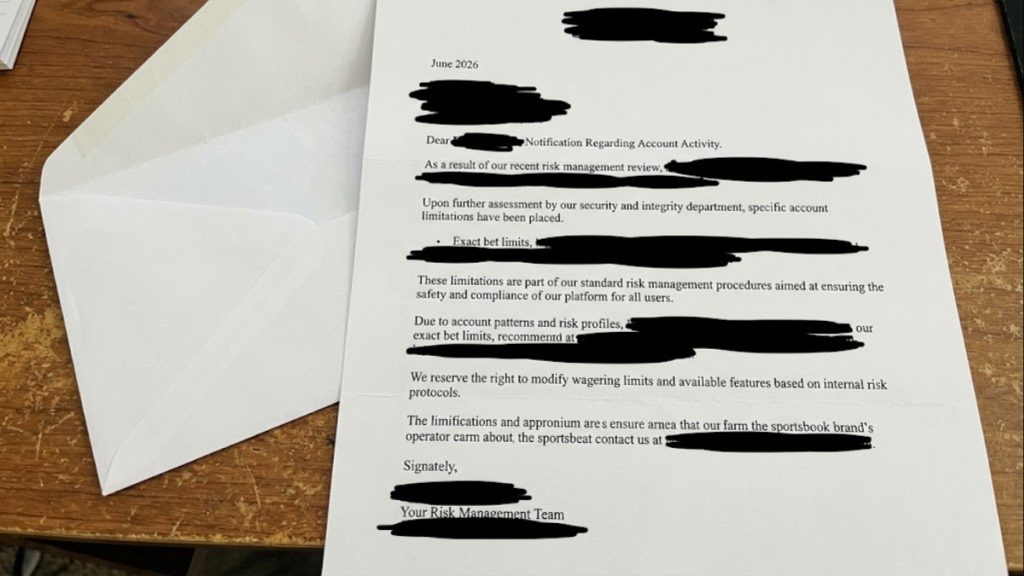
Legal Sports Report obtained actual notification letters from multiple operators during the first week. One major operator’s notice explained limits were imposed for “internal risk management purposes” after observing activity “indicative of targeting perceived market inefficiency.” Another platform’s notifications cited behavior aligned with “a network of restricted users that signal potential arbitrage positions.”
Read those again. They technically comply with the rule — they give a “specific” reason. But they’re still corporate-speak wrapped in compliance packaging. You don’t learn what you did, just what category of suspicious person the sportsbook decided you are.
Bettors on Reddit noticed the same thing immediately. Some were told they were flagged for arbitrage betting. Others for “coordinated wagering.” A few got accused of exploiting latency in live markets. Almost nobody received a notice that said, “You won too much on NFL player props, so we cut your max bet from $500 to $5.” That’s the honest version. None of them wrote it.
The MGC can revisit and tighten these requirements if the notices aren’t meeting the transparency standard commissioners envisioned. Based on the first round of letters? They should.
What’s the DWZ Limiting Survival Kit for Massachusetts Bettors?
The regulation is a step forward. A small one. If you’re a Massachusetts bettor staring at a limiting notice right now — or dreading the day one arrives — here’s the playbook I’d follow.
Step 1: Screenshot everything. Save that notification. Document your current max bet limits across all markets. If the MGC tightens enforcement later, you’ll want proof of what you received.
Step 2: File a complaint with the MGC if the notice is vague. The commissioners explicitly said boilerplate isn’t acceptable. If your notification reads like it was generated by a legal department’s template engine, report it. The MGC wants to know.
Step 3: Spread your action across multiple books. Don’t put all your bankroll in one spot. If one operator limits you on NFL sides, another might still give you full access to NBA totals.
Step 4: Consider offshore alternatives. This is the part regulated media won’t write about. Platforms like Bovada and BetOnline handle sharp action differently — they’re not answering to state regulators demanding they justify every limit, because they’re not imposing the same blanket restrictions on winning players. Check our BetUS review or the MyBookie breakdown if you want options that don’t punish you for having a brain.
Step 5: Track your own data. Record your win rates, bet sizes, and which markets you hit hardest. If the MGC opens an appeals process down the road, your data is your defense.
Will Other States Follow Massachusetts on Bettor Limiting Rules?
New York already has a bill in the works targeting the same issue. SBC Americas reported on the NY proposal, and it mirrors the Massachusetts approach — require operators to notify and explain. The push is building.
But I’ve been covering state gambling legislation long enough to know that “building” and “passing” are different animals. We saw Illinois try a version of bettor protection language in 2024 that went absolutely nowhere. Ohio is too busy debating a mobile betting ban to worry about limiting transparency. And the Massachusetts situation itself is part of a bigger regulatory storm in the state — lawmakers there are also pushing a 51% tax rate on sports betting revenue and floating prop bet restrictions.
The honest take? Massachusetts moved first, and the initial results are mediocre. The regulation creates a paper trail. It gives regulators something to enforce later. It does not, right now, stop sportsbooks from limiting you. And it just makes them tell you they did it — with language vague enough to keep their lawyers happy.
For bettors in states with zero protections, offshore platforms like Bovada remain the path of least resistance. No limiting notices because there aren’t blanket limits to explain. That’s the trade-off, and for a lot of sharp bettors, it’s worth it.
Massachusetts is already part of a much broader legislative shift in the state, especially as lawmakers continue debating stricter controls on betting markets, including tax increases and restrictions on certain wager types. You can read more about this in our breakdown of how proposed legislation could reshape the market in detail here: Massachusetts SB 302 impact on prop bets and sports betting tax changes
Stay up to date with Massachusetts gambling news and browse our full gambling legislation tracker for the latest regulatory changes across all 50 states.
Frequently Asked Questions
Yes. The MGC’s regulation, effective June 1, 2026, makes Massachusetts the only state in the U.S. where sportsbooks must notify bettors within 48 hours of imposing limits and provide a specific explanation for the restriction.
The rule is retroactive. Sportsbooks must send notifications to all bettors who were already limited before the regulation took effect, even if the limit was imposed months or years ago.
The current regulation doesn’t establish a formal appeals process. You can file a complaint with the Massachusetts Gaming Commission if you believe the notice you received is too vague or doesn’t comply with the transparency standard.
Not typically. Offshore platforms like Bovada and BetOnline operate under different models and generally don’t impose the same aggressive account restrictions on sharp or winning bettors that regulated U.S. sportsbooks do. That said, every platform has its own terms of service.
New York has a bill under consideration with similar notification requirements. No other state has advanced legislation to the same stage as Massachusetts. Given the industry pushback already visible in the first week of Massachusetts enforcement, expect a slow rollout nationally.
📂 Explore more: Massachusetts