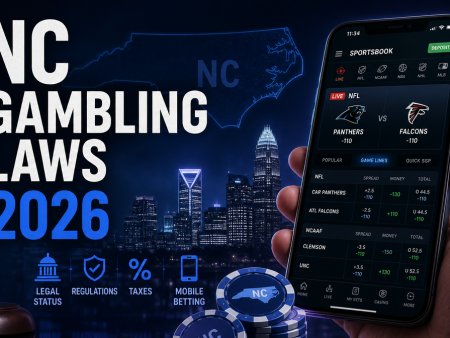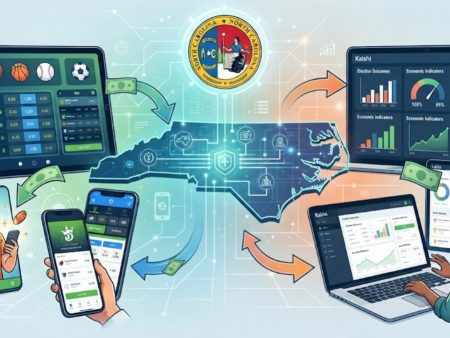

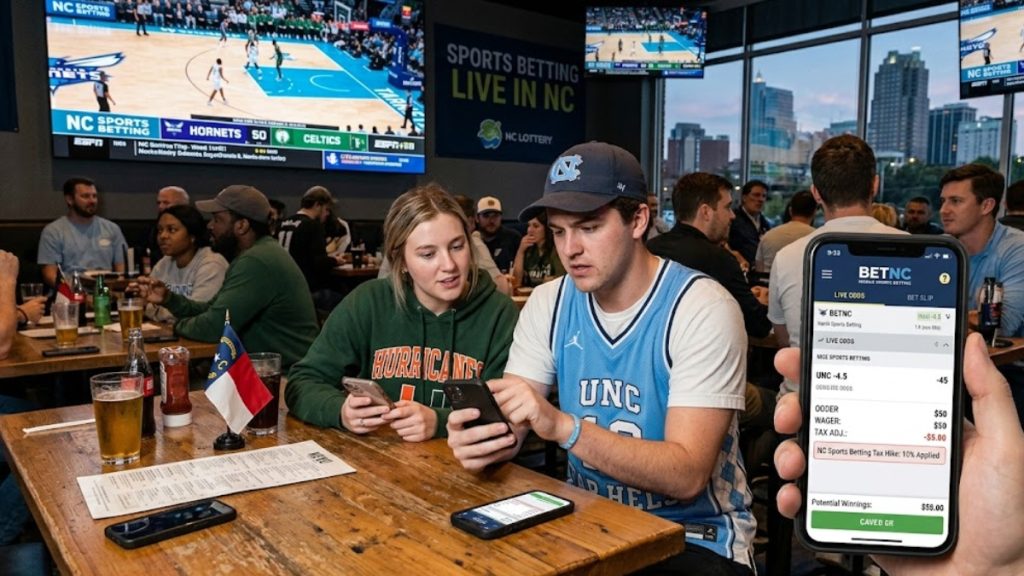
North Carolina lawmakers have agreed to raise the state’s 18% sports betting tax, with budget negotiations centering on a new rate between 20% and 30%. That means worse odds, fewer promos, and tighter lines for every NC bettor placing wagers through regulated apps — and it makes offshore sportsbooks like Bovada and BetOnline a hell of a lot more attractive than they were last month.
I tracked this fight through three budget cycles. The Senate tried to double the rate to 36% last year. The House blocked it. No budget passed in 2025. Now both chambers are using a sports betting tax hike as a revenue plug for state employee raises. Classic Raleigh — find the new money and squeeze.
Why Is North Carolina Raising Sports Betting Taxes in 2026?
State employee raises cost money, and lawmakers need to find it somewhere. WRAL reported May 15 that Republican lawmakers agreed on spending priorities including teacher and state worker pay bumps — but the budget math doesn’t work without new revenue.
Sports betting made itself an easy target. NC’s eight operators have paid $287 million in taxes since launching in March 2024. Less than 1% of the state budget. Legislators saw that and thought: we can get more.
The Senate pushed for 36% last year. The House wanted 18%. No budget passed in 2025. Now both sides are back, and a 20-30% compromise looks like the landing zone.
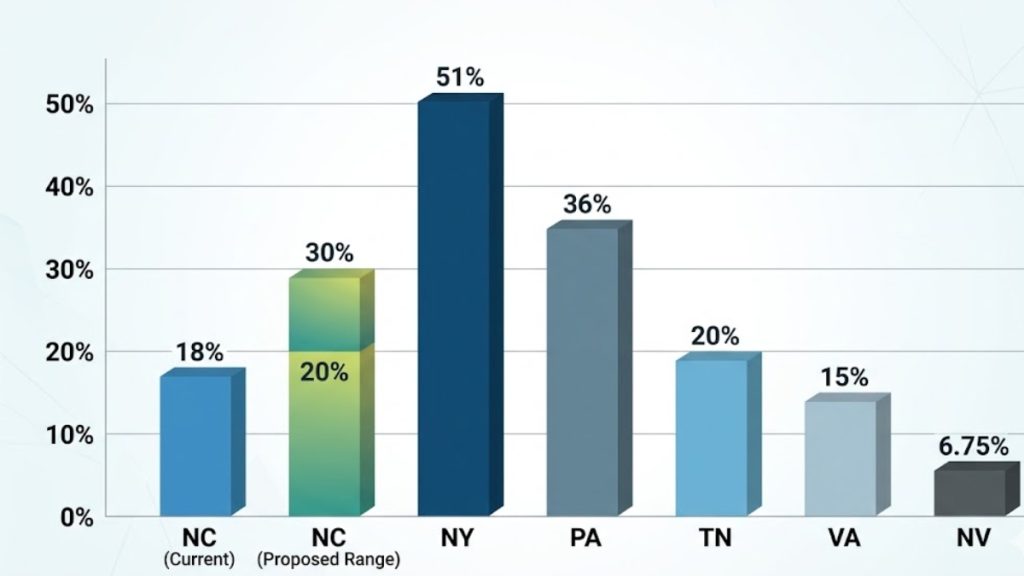
How Does NC’s Tax Rate Compare to Other States?
NC’s 18% currently sits mid-pack. Virginia charges 15%. Tennessee charges 20%. A jump to 25-30% would put NC above most neighboring states and closer to Pennsylvania’s punishing 36%. New York’s 51% sits at the extreme end — operators there barely break even.
Here’s what bugs me. NC bettors generated $120 million in tax revenue in year one — $45 million above the original $75 million projection. The market is crushing expectations. And politicians want to jack up the rate before the industry hits its third birthday.
What Happens to NC Bettors When Taxes Go Up?
Operators eat the tax, right? Wrong. That cost rolls downhill to you.
The Sports Betting Alliance — the lobbying group representing the big regulated operators — launched a campaign against the hike with a blunt message: “When states raise taxes, the costs get passed down to customers — directly hitting your wallet.”
They’re not wrong about that part. Illinois proved it in 2024 — Pritzker signed a graduated hike from 15% to as high as 40%, then lawmakers added per-bet fees in 2025. Handle growth stalled. Promos dried up.
Illinois Rep. Jehan Gordon-Booth said it at December’s NCLGS meeting: “Lawmakers need to understand, what you think you’re going to get from raising taxes, you’re not going to get.”
For NC bettors, even a bump to 25% means worse odds, fewer promos, and tighter lines across the board. I’ve watched this play out in multiple states. Lawmakers raise taxes thinking it’s free money. Operators adjust by squeezing bettors. And a chunk of the betting population bounces to offshore platforms where nobody’s paying 30% on gross revenue.

Where Does NC Sports Betting Tax Money Actually Go?
Half of NC’s sports betting tax revenue goes straight to the state’s general fund. The rest gets split between gambling addiction programs ($2 million), youth sports ($1 million), outdoor engagement ($1 million), and athletic departments at 13 UNC System schools ($300K each, plus 20% of remaining funds).
Here’s the part that should make NC bettors angry. The Senate’s 36% budget proposal from last year would have added UNC-Chapel Hill and NC State to the distribution — at over $25 million each annually. Power 4 athletic departments lobbying for higher taxes on your bets so they can pad their budgets. When Raleigh says “youth sports and education,” read the fine print.
Should NC Bettors Look at Offshore Sportsbooks Instead?
If your promos are disappearing and juice is getting tighter, offshore books deserve a look. Bovada, BetOnline, and MyBookie don’t carry state tax burdens — that’s why they can offer better odds and more aggressive bonuses than a regulated NC operator paying 25% on gross revenue.
Bovada stays the most popular offshore book for NC bettors — fast crypto payouts, solid live betting, and lines that consistently beat regulated apps. BetOnline runs promos that NC’s taxed-up books flat out can’t match. MyBookie gets slept on, but their prop builder is genuinely one of the best going. No state tax overhead on any of these.
Most sharp NC bettors I talk to are already using crypto for deposits and withdrawals. Offshore books are years ahead of regulated platforms on that front. Our crypto betting guide breaks it down, and you can compare platforms in our BetUS review and our MyBookie review.
Is This Tax Hike Actually Going to Pass?
Nothing’s final — proposals get stripped right up until a vote. But both chambers want a budget deal after failing in 2025, and sports betting taxes don’t provoke the same public backlash as income or property tax hikes.
Louisiana Gaming Control Board Chairman Christopher Hebert warned states at December’s NCLGS conference: “We really have to be careful. You would lose operators because the cost of doing business just isn’t worth it.” Louisiana raised its own rate from 15% to 21.5%. NC at 25-30% would blow past that.
Our gambling legislation tracker covers this as it develops, and our sports betting news section has the latest from Raleigh and other states fighting the same tax battles.
The Illinois Warning That Raleigh Should Be Reading
WRAL’s own reporting noted that if NC had taxed at 30% since launch, the state would have collected nearly $200 million in additional revenue. That math assumes handle stays constant. It never does.
Illinois proved it. After the graduated tax hike and per-bet fees, handle growth stalled and total tax revenue underperformed the models. Bettors found alternatives. Our reporting on promo restrictions backfiring shows this isn’t unique to Illinois — it’s a pattern every state with aggressive tax hikes eventually learns the hard way.
Frequently Asked Questions
18% on gross wagering revenue, paid by the eight licensed operators. They’ve collectively paid $287 million since the March 2024 launch.
Negotiations target 20-30%. The Senate wanted 36% last year but the House blocked it.
Yes. Operators pass tax costs to bettors through tighter juice, fewer promos, and smaller free-bet offers. Illinois saw this exact pattern after their 2024 hike.
NC has no state law banning individuals from betting on offshore platforms like Bovada, BetOnline, or MyBookie. These sites accept NC bettors and offer better odds because they don’t carry state tax burdens.
No set timeline. Budget talks are ongoing and the rate could change or be stripped entirely. Both chambers want a deal in 2026 after failing last year.
📂 Explore more: North Carolina